Psilocybin myths vs. evidence: what research shows
Is psilocybin addictive? Does it always feel good? Does one session fix everything? Common psilocybin myths, checked against the clinical research.

Psilocybin is surrounded by myths, and several of the most common ones do not match the research. It is not addictive the way opioids or alcohol are, it does not guarantee a good experience, and its effects are not the same for everyone. Here are the myths we hear most, checked against the evidence.
Myth: “Psilocybin is addictive”
The pharmacology does not support this. Psilocybin does not act on the brain’s dopamine reward pathway the way substances that cause physical dependence do, and studies have not shown the compulsive drug-seeking typical of addiction.
That does not mean it is risk-free. It means its risks are different from those of nicotine, opioids or alcohol, and lumping them together misrepresents the data.
Myth: “It’s a recreational drug in a nicer setting”
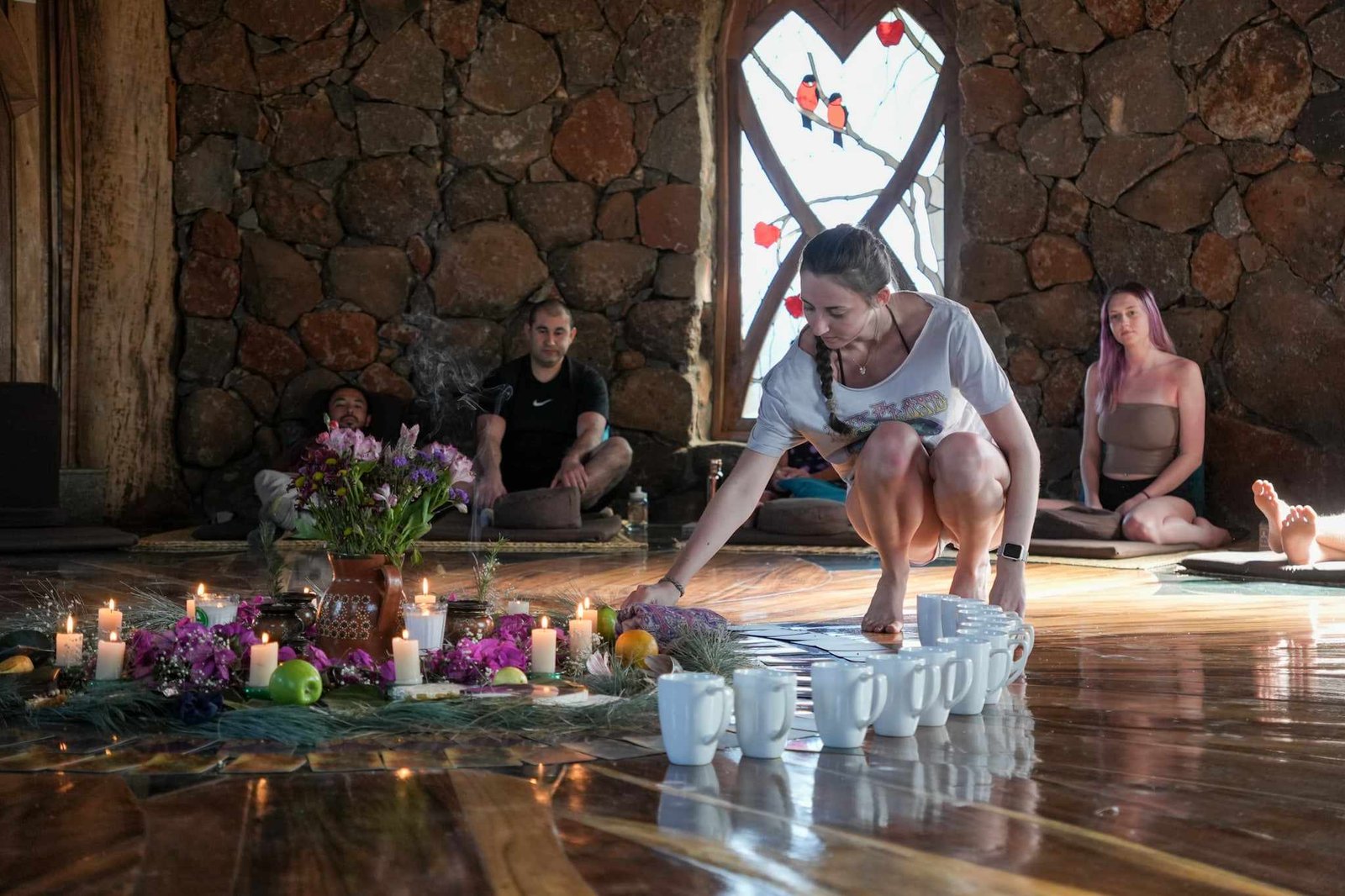
Setting is not decoration. It is a documented factor in outcomes. Supervised sessions with preparation and integration produce different results from unsupervised use.
In the first Johns Hopkins study of psilocybin and mystical experience, sessions took place in a comfortable, supportive room with trained monitors present throughout. 67% of participants rated the experience among the five most meaningful of their lives (Griffiths et al., 2006). That result reflects a careful context, not psilocybin use in general.
Myth: “It always brings a positive, healing experience”
This is one of the most important myths to drop, because it makes people read a hard session as a failure. Difficult emotions can surface even in a well-held setting, and challenging sessions are a normal, documented part of psilocybin research.
That is exactly why medical screening, preparation and experienced people in the room matter so much.
Myth: “The effects are instant”
Taken by mouth, psilocybin usually takes 20 to 40 minutes to begin, peaks after one to two hours, and lasts around six hours in total.
This matters in practice. People expecting an instant effect sometimes take more too early, before the first dose has peaked.
Myth: “It’s the same as ayahuasca”
They are chemically different. Psilocybin becomes psilocin in the body and works on its own when swallowed. Ayahuasca needs two plants: one with DMT, and one with an MAO inhibitor, because DMT does not work by mouth without it.
The length of the ceremony, the physical intensity and the list of medicines that interact are all different. More on that in ayahuasca or psilocybin: how to choose.
Myth: “One session fixes everything”
A large trial of psilocybin for treatment-resistant depression found meaningful, dose-dependent improvement after a single session with psychological support. It also found that some participants relapsed in the following weeks, and results varied from person to person (Goodwin et al., 2022).
The honest reading: psilocybin can produce real, measurable change. It is not a permanent cure that makes further work unnecessary.
Why these myths matter when you prepare
Each myth changes how you walk into a retreat. Expecting guaranteed bliss makes a hard night feel like failure. Expecting an instant effect makes the wait confusing. Expecting one session to undo years of difficulty sets you up for disappointment, however meaningful the experience is.
Realistic expectations are part of real preparation. That is how we approach the psilocybin retreat at Finca El Péndulo.
Frequently asked questions
Is psilocybin physically addictive? No. It does not act on the dopamine reward pathway the way substances linked to physical dependence do, and it does not produce compulsive use.
Is the experience always positive? No. Difficult sessions are a normal part of psilocybin work, even in careful clinical and ceremonial settings.
How long until psilocybin takes effect? Usually 20 to 40 minutes, with the peak at one to two hours and about six hours in total.